How to Clean a Humidifier (and Keep Mold Out of It)

A humidifier is a machine that holds standing warm-ish water next to your bed and blows whatever grows in that water into the air you breathe. Kept clean, it is a genuine comfort and health aid for dry winter air; neglected, it is an aerosolizer for bacteria, mold, and mineral dust. The maintenance that separates the two is modest: fresh water daily, a vinegar or descaler clean weekly, and a deep clean monthly. Here is the full routine, plus straight answers on the pink slime, the white dust, and the delicate transducer at the heart of ultrasonic units.
Why the stakes are real
Tap water carries minerals and a low level of microorganisms; a humidifier tank gives them warmth, surface area, and days of standing time. Run the unit and the output carries the colony with it. The documented results range from musty odors and aggravated allergies up to hypersensitivity pneumonitis — inflammation of the lungs from inhaled microbial aerosols, common enough in this context to have earned the nickname humidifier lung. Children, asthmatics, and anyone immune-compromised are most vulnerable, and they are often exactly who the humidifier was bought for. None of this argues against humidifiers; it argues for the ten-minute weekly clean.
Daily: the one habit that matters most
- Empty, rinse, refill. Dump yesterday's water, swish the tank with fresh, and refill. Never top off old water — that is how a tank goes a month without a full change.
- Dry the reservoir base quickly if the unit is off for the day. Biofilm needs continuous wetness; a dry afternoon sets it back to zero.
- Use distilled water in ultrasonic units if white dust is an issue (more below).
Weekly: the vinegar routine
Unplug the unit and take it to the sink.
- Disassemble the tank, cap, and any removable trays or mist chimneys.
- Fill the tank with a cup or two of plain white vinegar topped with warm water, swirl to coat, and let it sit 30 minutes. Pour some vinegar solution into the base reservoir too, keeping it below any electronics line the manual specifies.
- Scrub reachable surfaces with a soft brush (a bottle brush for the tank, an old toothbrush for crevices and the water channel). The slippery film on the plastic is biofilm — physical scrubbing matters, because soaking alone leaves it anchored.
- Rinse everything thoroughly until the vinegar smell is gone, then air-dry on a towel. Residual vinegar in the first hour of mist is harmless but unpleasant.
Vinegar is the right default here: cheap, food-safe, effective on light scale and film. Its limits show up on heavy scale and established pink growth — that is when you escalate.
Monthly (or as needed): the deep descale and disinfect
Scale
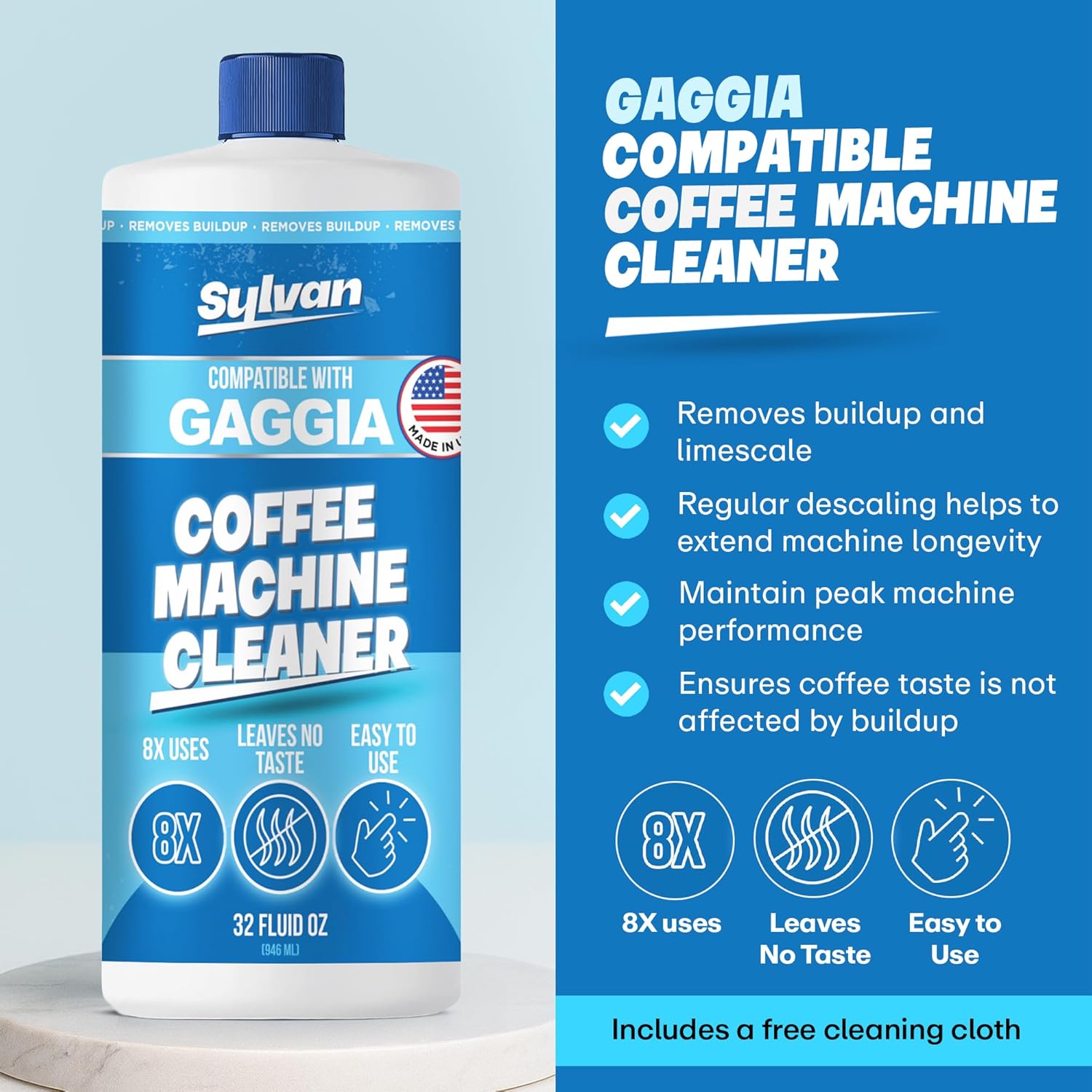
Hard-water scale builds a white crust on the heating element (warm-mist units), the transducer (ultrasonic units), and the tank floor — insulating the works, cutting mist output, and giving biofilm a porous surface to grip. For crust that shrugs off vinegar, use a stronger citric-acid-based descaling solution: a nickel-safe descaler of the kind made for ice machines handles humidifier scale easily (same mineral, same chemistry — dilute per label, soak 20-30 minutes, scrub, rinse well). Dedicated kettle and coffee-machine descalers work the same way; what matters is a real acid descaler, not dish soap, which does nothing against mineral deposits.

Disinfecting
After descaling (never at the same time), disinfect if the unit had visible growth or has been in storage: most manufacturers sanction a 3 percent hydrogen peroxide soak for 30 minutes, or a dilute bleach solution of 1 teaspoon per gallon of water, 30 minutes, followed by exhaustive rinsing until no odor remains. Check your manual first — a few units prohibit bleach near their seals.
Never mix vinegar (or any acid descaler) with bleach — the combination releases chlorine gas. Descale, rinse completely, and only then disinfect as a separate step. And keep all cleaners out of any port that feeds the fan or electronics.
The pink residue: what it is and what to do
The pink-orange slime that rings humidifier tanks (and shower corners) is not strictly a mold: it is almost always Serratia marcescens, an airborne bacteria that settles into standing water and builds pigmented biofilm. It is common and mostly harmless on a shower curtain; in a device that aerosolizes its home into your bedroom air, it deserves a firmer response:
- Scrub all pink film off physically — soaking alone will not detach it.
- Disinfect with peroxide or dilute bleach as above, including the base reservoir and water channel.
- Rinse hard, dry fully, and restart with fresh water.
- Shorten your cleaning interval. Pink showing up weekly means the tank is staying wet and fed; move to daily water changes and twice-weekly cleans, and let the unit dry out fully between uses.
White dust: a water problem, not a dirt problem
Ultrasonic humidifiers vibrate water into a cold fog — including every dissolved mineral in it. The water evaporates mid-air; the calcium and magnesium do not, and they settle as a fine white powder on furniture and electronics. It is also fine enough to inhale, which studies suggest is worth avoiding, particularly in a nursery. The fixes, in order of effectiveness:
- Distilled water: eliminates white dust entirely, and roughly eliminates scale while it is at it.
- Demineralization cartridges: helpful in moderately hard water, overwhelmed by very hard water, and they need regular replacement to keep working.
- Switching unit types: evaporative-wick humidifiers physically cannot emit mineral dust — the minerals stay on the wick. If distilled water is impractical, this is the honest answer.
Ultrasonic transducer care
The transducer — the fingernail-sized metal disc in the base — is the entire mist engine of an ultrasonic unit, and it is the component scale kills first. A scaled disc mists weakly; a scratched one mists weakly forever. Care rules:
- Descale it chemically, never mechanically: a few drops of vinegar or dilute descaler directly on the disc, 10-15 minutes, then a cotton swab wipe.
- No fingernails, no brushes with hard bristles, no scouring pads, ever.
- If output stays weak after a proper descale, check for a worn disc or a low-water sensor coated in film before blaming the fan.
Wicks, filters, and the parts that are consumables
Evaporative humidifiers breathe through a wick filter, and the wick is a consumable, not a component: it loads up with the minerals it so helpfully traps, output falls, and no amount of cleaning restores a crusted wick — the mineral deposits are inside the paper structure. Plan on replacing wicks every 1-3 months of use (hard water burns through them fastest), flipping or rotating them per the manual to even out the mineral load in between. A wick that smells musty even after a rinse is done; the smell is biofilm in the fibers and it will scent every hour of output. The same consumable logic applies to demineralization cartridges on ultrasonic units and the small foam or mesh intake filters on fan-driven models — wash the washable ones monthly, and keep a spare of each in the closet so replacement never waits three weeks for shipping. Write the install date on each new wick or cartridge with a marker, the same trick that works for furnace filters.
End-of-season storage
Before the humidifier goes in the closet each spring: full descale, disinfect, rinse, and — the step that matters — dry every component completely for a day before reassembly. Discard the old wick or cartridge and store a note of the replacement part number with the unit. A humidifier stored damp greets you in November with a colony that has had six months to settle in.
The same hard-water chemistry runs through the rest of the house: scale is why kettles crust up and ice machines slow down. If you are already fighting it here, see our guides on descaling an electric kettle and cleaning an ice machine — one approach, three appliances, and the supplies live in our Kitchen & Home collection.